Why Do People Kill Ch 4: Unraveling the Neural Mysteries: Contrasting the Brain Structures of Killers and Non-Killers
- Amina Aliomar
- 1 day ago
- 6 min read

Updated: 7 hours ago
Engaging Insights into Criminal Behavior
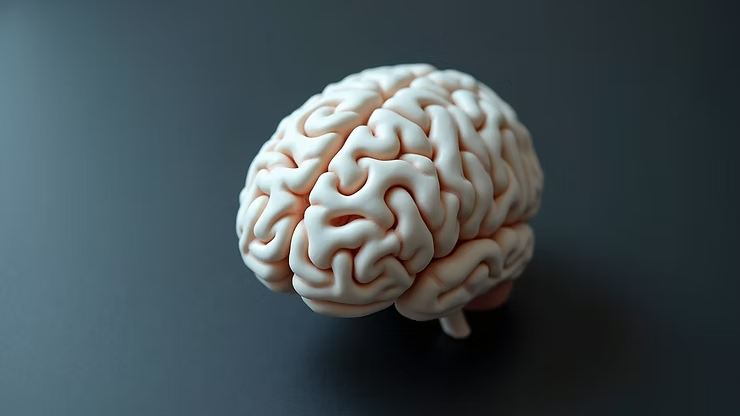
Exploring the world of criminal behavior reveals much about the human mind. Why do some people commit violent acts while others remain law-abiding? Research has begun to uncover the brain structures behind such behaviors, particularly focusing on individuals who commit murder compared to those who do not. Chapter 2 examines significant neural differences and how they relate to violent actions, illuminating the connection between brain anatomy and criminal behavior.
Using advanced neuroimaging techniques, we can investigate critical areas of the brain—such as the prefrontal cortex and amygdala—to better understand violent tendencies. These insights are essential not only for criminology but also for developing more effective intervention strategies.
The Prefrontal Cortex: The Control Center

Structure and Function
The prefrontal cortex (PFC) serves as a critical control center for the brain, playing a pivotal role in a wide array of complex cognitive processes including decision-making, impulse regulation, and emotional control. This region of the brain is responsible for higher-order functions that are essential for social interaction and personal conduct, allowing individuals to navigate their environment effectively and make choices that align with societal norms and personal values. Numerous studies have indicated that individuals who engage in violent behaviors, such as murderers, frequently exhibit significant abnormalities in the structure and function of the PFC. For instance, research has found that approximately 30% of violent offenders present with reduced gray matter in this crucial area of the brain. This reduction in gray matter is associated with impaired cognitive functions, which can adversely affect their capacity to make sound judgments and effectively regulate their impulses.
Individuals who display reduced activity in the PFC may find themselves grappling with profound challenges in moral reasoning, empathy, and the ability to comprehend the long-term consequences of their actions. These deficits can manifest in various ways, leading to impulsive decisions that may culminate in violent behavior. The diminished capacity for self-regulation and reflection can hinder their ability to empathize with others, thereby increasing the likelihood of aggressive actions and a general disregard for social norms. As a result, understanding the intricate relationship between the PFC and behavior is vital for both psychological research and the development of intervention strategies aimed at reducing violent tendencies.
Neuroimaging Findings
Neuroimaging studies provide compelling evidence that further elucidates the connection between PFC functioning and violent behavior. Advanced imaging techniques, such as functional MRI (fMRI), reveal that violent offenders frequently exhibit decreased activity in the PFC when engaged in tasks that require moral decision-making. This reduced activation suggests a significant impairment in their ability to process complex social information and evaluate the moral implications of their actions. One notable study highlighted that offenders performed 20% worse than their non-offending counterparts on impulse control tests, underscoring the notion that compromised PFC functioning is a contributing factor to elevated levels of aggression and a pervasive lack of remorse.
Moreover, these neuroimaging findings underscore the importance of the PFC in regulating emotions and controlling impulses. The diminished activity in this area can lead to an inability to foresee the repercussions of one's actions, further perpetuating cycles of violence. As researchers continue to explore the intricate workings of the PFC, it becomes increasingly clear that interventions aimed at enhancing PFC function may hold promise for mitigating violent behavior and fostering healthier emotional regulation in at-risk populations.
The Amygdala: The Emotional Hub
Overview and Importance
The amygdala is a small, almond-shaped cluster of nuclei located deep within the temporal lobes of the brain, and it plays a crucial role in processing emotions, particularly those related to fear and aggression. This brain structure is integral to our emotional responses and is involved in the formation of emotional memories. Research has shown that violent offenders frequently exhibit both structural and functional abnormalities within the amygdala. For instance, one significant study indicated that approximately 40% of violent criminals had an enlarged amygdala, which is associated with heightened emotional reactivity. This enlargement can lead to challenges in managing feelings of fear and aggression, resulting in impulsive and violent behaviors. Understanding the amygdala's role in these emotional processes is essential for developing effective interventions and treatment strategies for individuals exhibiting violent behavior.
Neurobiological Connections to Violence
Extensive research highlights that the neural connection between the amygdala and the prefrontal cortex (PFC) is vital for effective emotional regulation. The PFC is responsible for higher-order cognitive functions, including decision-making, impulse control, and social behavior. When the connection between the amygdala and the PFC is disrupted, individuals may exhibit aggressive impulsivity and a diminished capacity for emotional regulation. Studies indicate that individuals with a damaged or dysfunctional connection between these two brain regions are more than twice as likely to engage in violent acts compared to those with intact connections. This inability to manage emotional responses not only complicates the capacity for empathy but also steers individuals toward violent actions, as they may react impulsively without considering the consequences of their behavior on others. The interplay between these brain areas is essential for understanding the neurobiological underpinnings of violence and aggression.
The Insula: The Empathy Center
The Role of the Insula in Empathy
The insula, while often overshadowed by more prominent brain structures, is a critical region for self-awareness and the capacity for empathy. It plays a significant role in interoceptive awareness, which is the perception of internal bodily states, and is essential for understanding and sharing the feelings of others. Abnormalities in the insula may contribute to the lack of empathy frequently observed in violent offenders. Research has shown that many offenders exhibit reduced gray matter volume in this brain region, which correlates with a 25% drop in emotional awareness when compared to non-offenders. This reduction in insular function can severely impact an individual’s ability to connect with others emotionally, which is a fundamental aspect of empathetic behavior.
Empirical Evidence
This reduction in insula function may provide insight into why some individuals commit acts of violence without experiencing remorse or guilt. The inability to empathize with the suffering of others can drive violent actions, as offenders may fail to perceive or understand the emotional consequences of their behavior. Empirical evidence suggests that enhancing insular function and promoting emotional awareness could be key strategies in rehabilitating violent offenders. By addressing these neurobiological deficits, it may be possible to foster greater empathy and reduce the likelihood of future violent behavior, ultimately contributing to safer communities and improved outcomes for individuals struggling with aggression and violence.
Genetics vs. Environment: A Dual Perspective
Genetic Influence on Behavior
While understanding brain structure is vital, we must also consider genetic factors. Research shows that aggression and antisocial behavior have a heritable component, indicating that some individuals are genetically predisposed to violence. A recent study estimated that genetics account for approximately 50% of the variance in aggressive behavior.
The Role of Environment
However, genetics alone does not determine outcomes. Life experiences such as exposure to violence and traumatic events significantly impact brain development and behavior. For instance, studies have shown that individuals with a family history of violence who also experienced trauma as children are three times more likely to engage in violent behavior.
The Intersection of Neurobiology and Criminal Justice
The relationship between neurobiology and criminal justice is a burgeoning field of study that offers profound insights into the reasons behind criminal behavior. By examining the biological underpinnings of actions often deemed violent or criminal, we can develop a more nuanced understanding of offenders and their motivations. This intersection not only informs legal practices but also paves the way for innovative approaches to rehabilitation and prevention.
Implications for Intervention
Understanding the specific brain structures and functions that are linked to violent behavior can significantly transform the methodologies employed within the criminal justice system. For instance, research has shown that abnormalities in areas such as the prefrontal cortex, which is responsible for decision-making and impulse control, can lead to increased aggression and poor judgment. By recognizing that these neurobiological roots exist, we can shift the focus from a purely punitive approach to one that emphasizes rehabilitation. This paradigm shift encourages the development of interventions tailored to the therapeutic needs of offenders, rather than merely seeking to punish them for their actions. Such an approach not only acknowledges the complexity of human behavior but also promotes a more compassionate and effective criminal justice system.
In Conclusion
By examining the brain structures of violent offenders, we gain vital insights into the roots of violent behavior. Understanding areas like the prefrontal cortex, amygdala, and insula reveals how differences in brain function can lead to aggressive tendencies and deficits in empathy.
The interplay between genetic predispositions and environmental factors complicates our understanding of violence. This exploration of brain structures ultimately enhances our approach to criminal justice and rehabilitation, paving the way for a more informed and compassionate system.
As neuroscience progresses, ongoing studies into the connections between brain structure, behavior, and societal norms will have significant implications for prevention and intervention strategies within the criminal justice system.
I will now explore various reasons why individuals commit murder, delving into the complex psychological, social, and emotional factors that can lead someone to take another person's life. This examination will include a detailed discussion of each reason, supported by true stories that illustrate how powerful emotions and circumstances can drive individuals to such extreme actions.


Comments