Quran Stories Ch 1: Understanding Anger in Islam: Qur'anic Verses on the Influence of Satan and his Jinn's
- Amina Aliomar
- Feb 12
- 24 min read

Anger is a powerful emotion that can shape our actions and relationships. In Islam, anger is not just a personal feeling but a spiritual challenge that can lead a person away from Allah’s guidance. The Qur’an warns us about the dangers of anger and how it can open the door for Satan and harmful jinn's to influence our behavior. I have personally found strength in avoiding angry people and controlling my own anger, which helped me stay safe through many trials. Chapter 1 explores the Qur’anic verses that discuss anger, the role of Satan and jinn's, and practical ways to protect ourselves from their harmful effects.

Verse:
According to Islamic belief, Allah does not allow angry people into Jannah and they are guided by the devil instead. It is recommended to distance oneself from angry individuals as they can be influenced by the devil and bad jinn's, leading to destructive behavior.
Quran Verse Chapter 1:
Guide us to the straight path.
The path of those You have blessed, not of those against whom there is anger, nor of those who are misguided.
Quran Verse Chapter 114:
4. From the evil of the sneaky whisperer.
5. Who whispers into the hearts of people.
6. From among jinn and among people.”
The Impact of Anger on the Heart Leading to a Darken Heart
Anger is a powerful and often overwhelming emotion that can have significant repercussions on both our physical and spiritual well-being. In many religious texts, including those within Islamic teachings, anger is portrayed as a detrimental force that can lead to the darkening of the heart. When Allah speaks about anger, it is often in the context of its potential to cloud judgment and lead individuals away from the path of righteousness. This darkening of the heart can create a fertile ground for negative influences, particularly from jinn, who are believed to thrive in environments filled with negative emotions.
When a person allows anger to take hold, it can lead to a series of physiological responses that not only affect the heart but also the overall health of the individual. Elevated heart rates, increased blood pressure, and the release of stress hormones are just a few of the physical effects of sustained anger. These physiological changes can contribute to long-term health issues, including heart disease. However, the impact of anger extends beyond the physical realm; it also affects one's spiritual state. In Islamic belief, a heart that is darkened by anger becomes less receptive to divine guidance and more susceptible to the whispers of jinn, who seek to exploit human weaknesses.
Jinn, as described in Islamic theology, are entities created from smokeless fire, capable of influencing human thoughts and actions. When a person's heart is clouded by anger, they may find it increasingly difficult to discern right from wrong, allowing jinns to manipulate their emotions and decisions. This influence can lead to a cycle of negative behavior, where the individual may act out in ways that are harmful to themselves and others. The jinn thrive in environments filled with discord and rage, using these emotions to further entrench their control over the individual.
Moreover, the process of allowing anger to dominate one's heart can lead to a breakdown in relationships, as anger often manifests in harsh words and actions that alienate loved ones and friends. This social isolation can further exacerbate feelings of anger and resentment, creating a vicious cycle that is difficult to escape. The teachings of Islam emphasize the importance of patience, forgiveness, and compassion, which serve as antidotes to anger. By practicing these virtues, one can cultivate a heart that remains illuminated and resilient against the influences of jinn.
The Qur’an’s Teaching on Anger and Its Consequences
The Qur’an addresses anger in several verses, highlighting its destructive potential and the spiritual risks it carries. Anger is a powerful emotion that, when left unchecked, can lead to a cascade of negative consequences both for the individual experiencing it and for those around them. The Qur’an emphasizes the importance of managing this emotion wisely, as uncontrolled anger can lead to injustice, harm, and a significant distance from Allah’s mercy and guidance.
When anger is not tempered by patience and self-control, it can result in actions that inflict harm on others, whether through verbal outbursts, physical confrontations, or unjust decisions. The repercussions of such actions can create a cycle of animosity and conflict, further distancing individuals from the path of righteousness that the Qur’an encourages. In essence, anger can cloud judgment, leading to choices that are contrary to the teachings of compassion and forgiveness that are central to Islamic principles.
One of the clearest warnings regarding the dangers of anger comes from Surah Al-Imran, where Allah advises believers on the importance of patience and the avoidance of anger. The verse serves as a reminder that true strength lies not in the ability to express anger, but in the capacity to forgive and remain calm in the face of provocation. This message is further reinforced throughout the Qur’an, where believers are encouraged to respond to hostility with kindness and to seek reconciliation rather than revenge.
In addition to the ethical implications of anger, the Qur’an also highlights the spiritual consequences of allowing anger to dominate one's behavior. When individuals succumb to their anger, they risk alienating themselves from Allah’s mercy and forgiveness. The text illustrates that maintaining a peaceful heart and a composed demeanor is essential for spiritual growth and closeness to Allah. By fostering qualities such as patience, humility, and forgiveness, believers can cultivate a state of inner peace that not only benefits themselves but also positively impacts their communities.
Moreover, the Qur’an provides practical guidance on how to manage anger effectively. It encourages believers to engage in self-reflection, to seek refuge in prayer, and to remember the transient nature of worldly grievances. By turning to Allah in moments of anger, individuals can find solace and clarity, allowing them to respond to situations with wisdom rather than impulsive reactions.
“Those who spend [in the cause of Allah] during ease and hardship and who restrain anger and who pardon the people – and Allah loves the doers of good.”
— Qur’an 3:134
This verse illustrates a profound truth about the nature of anger and its management, emphasizing that the ability to control one's anger is not merely a personal virtue but a significant indicator of righteousness in the eyes of Allah. It suggests that individuals who can master their anger are not only showing strength of character but are also aligning themselves with divine principles that promote peace and harmony. The act of forgiving others, even when wronged, is highlighted as an essential quality that fosters a compassionate heart and a tranquil spirit. Such forgiveness, coupled with patience, serves as a protective shield against the corrosive effects of negative emotions that can lead to conflict and discord. By cultivating these traits, individuals can maintain a sense of inner peace and promote a positive environment around them, which is highly valued in spiritual teachings.
“And if an evil suggestion comes to you from Satan, then seek refuge in Allah. Indeed, He is Hearing and Knowing.”
— Qur’an 7:200
This verse implies that anger can be a tool Satan uses to mislead us. When anger takes over, it becomes easier for Satan to whisper harmful thoughts and push us toward wrong actions.
Joseph's Forgiveness: A Tale of Compassion and Resilience
For example, take Joseph the prophet, for instance. His story is one that resonates deeply with themes of forgiveness, compassion, and resilience. Joseph, known for his remarkable beauty, dreams and interpretations, was the favored son of his father, Jacob. This favoritism ignited a fierce jealousy among his brothers, who felt overshadowed and resentful of Joseph's special status. Satan exploited these feelings, planting seeds of anger and bitterness in their hearts, leading them to conspire against him. They were consumed by their jealousy, and their emotions spiraled into a plot that would change their lives forever.
In a fit of blind rage, the brothers resolved to take extreme measures. Initially, they conspired to kill Joseph, thinking this would eliminate their perceived threat. However, this led to Joseph being thrown into a dark, desolate pit, symbolizing the emotional turmoil and betrayal he was experiencing. One brother proposed throwing him into a well, aware that it was filled with salt water and he wouldn't survive, but Allah intervened, transforming the salt water into fresh water so Joseph could live. After spending some time in the well, where he conversed with God, they decided to sell him into slavery to a passing caravan, thereby sealing their betrayal with a transaction that would haunt them for years to come.
Despite the immense pain and suffering inflicted upon him by his own flesh and blood, Joseph's response was not one of bitterness or vengeance. He found himself in a foreign land, far from his family, facing a life filled with uncertainty and hardship. Yet, throughout his trials, Joseph remained steadfast in his faith and trust in Allah. He understood that harboring anger and resentment would only weigh him down further leading him to having a darken heart. Instead of succumbing to despair, he chose to rise above his circumstances, demonstrating remarkable resilience.
Years later, after a series of events that included his rise to power in Egypt, Joseph encountered his brothers once again during a time of famine. They came to him seeking help, not realizing who he was. In this moment, Joseph had the opportunity to exact revenge, to make them feel the pain they had caused him. However, he chose a different path. Instead of allowing anger to dictate his actions, Joseph embraced forgiveness. He revealed his true identity to them and expressed his understanding of their past mistakes. He acknowledged the pain they had caused him but also recognized that their actions had ultimately led him to fulfill a greater purpose.
In the end, Joseph did not just forgive his brothers; he also reassured them of his love and compassion. He emphasized that it was Allah's plan that had brought them together once more, allowing for healing and reconciliation. His ability to forgive, despite the deep wounds inflicted upon him, serves as a powerful lesson in compassion and the strength of the human spirit. Joseph's story is a testament to the transformative power of forgiveness, illustrating that true strength lies not in holding onto grudges but in letting go and embracing love even in the face of betrayal.
How Satan and Jinn's Influence Angry People
Islam teaches that Satan and jinn's are real beings who can influence human thoughts and behavior. When a person is angry, their judgment weakens, making them vulnerable to these negative forces. The Qur’an describes Satan as an enemy who seeks to misguide people:
“Indeed, Satan is an enemy to you; so take him as an enemy. He only invites his party to be among the companions of the Blaze.”
— Qur’an 35:6
Anger creates an opening for Satan’s influence. The Prophet Muhammad (peace be upon him) stated that Satan flows through the veins of the son of Adam when he is angry. This profound statement suggests that anger is not merely an emotional response; it is a state that can significantly weaken an individual’s spiritual defenses by Jinn. When a person succumbs to anger, they become more susceptible to the insidious whispers and manipulative plans of Satan, who seeks to divert them from the path of righteousness and virtue. The connection between anger and Satan’s influence highlights the importance of self-control and emotional regulation in maintaining one's spiritual integrity and moral compass.
Furthermore, the realm of jinn's, akin to Satan, also poses a significant risk of misleading individuals. Among these jinn's, there exist those who are malevolent, actively seeking to sow discord and chaos in human lives. These evil jinns thrive on negative emotions, like anger, and work to exacerbate feelings of resentment, hatred, and hostility. By encouraging such destructive behavior, they can lead individuals to act unjustly, harm others, or stray from the path of righteousness that is essential for spiritual well-being. This spiritual interference is not merely a theoretical concept; it manifests in real-life situations where anger leads to regrettable actions, broken relationships, and a departure from moral values. Understanding the connection between anger, jinn's, and Satan's influence is crucial for anyone seeking to navigate their emotions thoughtfully and maintain a harmonious and righteous life.
The Role of Jealousy and Anger in Cain's Tragic Act
Another illustration of the effects of anger is the story of Cain and Abel. These two prominent figures in biblical tales embody a complex mix of emotions, morality, and outcomes. The narrative demonstrates how jealousy can lead to destructive actions.
Cain, the firstborn son of Adam and Eve, was a farmer who cultivated the land, while his younger brother Abel was a shepherd, tending to flocks. Both brothers made offerings to God: Cain presented fruits from his harvest, while Abel offered a lamb from his flock. However, God favored Abel’s offering over Cain’s, which ignited a deep-seated jealousy within Cain. This feeling of inadequacy and resentment began to fester in his heart, leading him to experience intense anger and frustration.
As Cain grappled with these emotions, his internal struggle allowed for negative influences to take hold. In many interpretations of the story, it is suggested that a bad jinn, a malevolent spiritual being, sensed Cain's turmoil and sought to exploit his vulnerability. The jinn is often associated with causing mischief and leading individuals astray, amplifying their darker impulses. In Cain's case, the jinn capitalized on his jealousy and anger, whispering thoughts of violence and revenge into his mind.
Overwhelmed by these destructive emotions and the influence of the jinn, Cain's anger boiled over. His jealousy transformed into a fierce rage, blinding him to the bond he shared with his brother. In a moment of uncontrolled fury, Cain lured Abel into the fields under false pretenses, where he ultimately committed the unthinkable act of murder. This tragic event marked the first instance of fratricide in history, serving as a poignant reminder of how unchecked emotions can lead to devastating consequences.
After the act, Cain was confronted by God, who questioned him about Abel's whereabouts. Cain's response, "Am I my brother's keeper?" highlighted his attempt to deflect responsibility for his actions. As a result of his crime, Cain was cursed and condemned to a life of wandering, forever marked by the weight of his guilt and the consequences of his jealousy.
The story of Cain and Abel serves not only as a cautionary tale about the perils of jealousy and anger but also as an exploration of the human condition. It underscores the importance of self-awareness and emotional regulation, illustrating how negative feelings can lead to dire outcomes if left unchecked. In this way, the narrative remains relevant across generations, prompting reflection on the nature of envy, the impact of external influences, and the moral responsibilities we hold towards one another.
My Personal Experience with Anger and Spiritual Safety
Living with my husband has evolved into a complex and multifaceted journey, particularly due to the persistent and troubling presence of negative jinns that appear to have attached themselves to him. This situation seems to stem from his ongoing impatience, anger, and bitterness regarding the dire poverty situation that is prevalent in many parts of Africa. His frustration is compounded by his feelings of helplessness when it comes to meeting his own wants, needs, and desires, which often go unfulfilled. This emotional turmoil is leading him further astray, creating a cycle of negativity that is hard to break.
These malevolent spirits, often believed in various cultures to lead individuals away from their true paths, have been significantly influencing his thoughts and emotions. As a result, he experiences bouts of intense anger, frustration, and despair, which can be both alarming and disheartening to witness. It is painful to see how these jinns guide him down a path that is not only detrimental to his mental and emotional well-being but also has a profound impact on our relationship. The tension in our home has escalated, and I often find myself in a state of worry about his mental health and our future together.
Despite his best efforts to combat the influence of these negative entities, including wearing various protective items and charms specifically designed to ward off such spirits, the struggle continues unabated. He has tried everything from amulets crafted from sacred texts to rituals that are meant to cleanse his spirit and protect him from harm. Yet, the jinns seem to persist, creating an invisible barrier between us that is filled with misunderstanding and emotional distance as he just can't control his anger from going through his trials and tribulations.
The emotional landscape of our home has become increasingly complicated as I navigate my own feelings of helplessness alongside his. I often feel torn between wanting to support him in his battle against these jinns and the need to protect my own emotional well-being. The atmosphere is charged with unspoken tension, and I find it challenging to engage in open conversations without fear of triggering another episode of anger or frustration. As I watch him struggle, it is clear that the jinns are not just affecting him; they are also influencing our interactions, leading to a cycle of blame and resentment.
In our attempts to find relief, we have sought guidance from spiritual leaders and practitioners who specialize in dealing with such matters. They have provided insights and strategies for addressing the jinns' influence, suggesting not only protective measures but also practices aimed at fostering patience, gratitude, and emotional resilience. However, the journey to reclaiming his peace of mind and our shared happiness is ongoing, and it requires consistent effort and commitment from both of us.
As we navigate this complex journey together, I hold onto hope that with time, understanding, and the right support, we can overcome the challenges posed by these negative jinns. It is a long and arduous path, but I remain dedicated to standing by my husband's side, encouraging him to find strength in himself and in our relationship, as we work towards a more harmonious existence free from the shadows of these malevolent spirits.
Visions of Battle Between Forces
In moments of clarity and heightened awareness, I have been able to perceive the intricate spiritual landscape that envelops us, revealing a complex interplay of unseen forces that influence our lives in profound ways. It is as if there is an ongoing battle between the jinn and angels, both vying for our attention and influence, each representing contrasting aspects of existence. The jinn, with their elusive and often mischievous nature, seem to swirl around my husband, their dark energy palpable and unsettling. This energy manifests as a heavy presence, sometimes clouding his thoughts and emotions, making it difficult for him to awaken finding peace, and clarity.
On the other hand, the angels stand firm and resolute, radiating a warm, protective light that envelops us in a cocoon of safety and reassurance. Their presence is a powerful counterbalance to the chaotic energy of the jinn, providing solace and guidance when the darkness feels overwhelming. I can almost visualize this ethereal battlefield, where the jinn attempt to sow seeds of doubt and fear, while the angels strive to instill hope and strength. This constant struggle is not merely a metaphorical one; it is very real, and I often find myself praying fervently for strength and guidance as we navigate this tumultuous spiritual environment.
The presence of these opposing forces serves as a poignant reminder of the challenges we face in our daily lives, illustrating the duality of our existence. It highlights the importance of maintaining our spiritual vigilance and resilience, as we are constantly bombarded by influences that can sway our thoughts and actions. I am determined to remain steadfast in my support for my husband as we confront these trials together, recognizing that our unity is our greatest strength in the face of adversity.
In these moments of spiritual awareness, I have learned to cultivate a deeper understanding of the dynamics at play. I practice mindfulness and meditation, allowing myself to connect more profoundly with the angelic realm while being aware of the jinn's presence. This practice not only helps to fortify my spirit but also enables me to shield my husband from the negative energies that seek to disrupt our lives. I visualize a protective barrier of light surrounding us, one that repels the darkness and invites only the benevolent energies into our space.
As we continue to face the complexities of life, I remind myself that this spiritual battle is not just a personal struggle but a universal one. Many individuals grapple with similar forces, and it is through shared experiences and collective prayers that we can find strength and solace. Together, my husband and I draw upon the power of our faith, seeking the guidance of the angels and benevolent jinns while remaining aware of the Malevolent jinn's potential to lead us astray. Our journey is one of growth, resilience, and unwavering support for one another, as we strive to remain anchored in love and light amidst the chaos that surrounds us.
External Struggles and the Call for Patience
Compounding our spiritual battles are the external challenges we face, particularly concerning the dire situation in Africa. The continent is grappling with a multitude of issues, including widespread famine, pervasive poverty, and ongoing conflicts that exacerbate the suffering of its people. These challenges are not merely statistics; they represent the daily struggles of millions who find themselves caught in a cycle of hardship and despair. The famine and poverty that plague many regions have been highlighted in the Quran, particularly in the context of the Israelites breaking Allah's covenant. This scripture serves as a poignant reminder of the consequences that can arise from straying from divine guidance and the importance of adhering to moral and ethical principles.
In the Quran, the emphasis on patience, or "sabr," in the face of adversity is profound and multifaceted. Allah's words resonate deeply with me, as they remind us that tribulations are an intrinsic part of life, and that patience is a virtue that can lead to eventual relief and prosperity. The Quran teaches that enduring hardships with steadfastness can purify the soul and strengthen one's faith. This belief can provide comfort and hope, yet it also raises a critical question about the practical application of such teachings in real-world scenarios.
However, I have witnessed firsthand how difficult it is for many people to remain patient in such dire circumstances in Africa. The desperation for financial stability drives individuals to take drastic measures, often leading them to make choices that compromise their values and spiritual integrity. In many cases, the struggle for survival can overshadow the teachings of patience and faith, as families grapple with the immediate need for food, shelter, and security. The pressure to provide for loved ones can lead individuals to engage in unethical practices, such as corruption, theft, or exploitation, which further erodes their moral compass and spiritual well-being.
Moreover, the societal structures in place often do not support those who are trying to maintain their integrity. The lack of resources, education, and opportunities can create an environment where the only perceived path to success is through morally questionable means. This creates a vicious cycle where the initial act of compromising one's values leads to further desperation and moral decay. It is essential to recognize that while spiritual teachings advocate for patience and resilience, the reality of life in many African regions presents formidable obstacles that can challenge even the most steadfast individuals.
In light of these circumstances, it becomes crucial to foster a sense of community and support among those facing these trials. Initiatives aimed at providing education, economic opportunities, and social support can empower individuals to make choices that align with their values, even in the face of adversity. By addressing the root causes of poverty and famine, we can help create an environment where patience and integrity can flourish alongside the pursuit of financial stability. Ultimately, the journey towards overcoming these challenges is not just a personal one but a collective effort that requires compassion, understanding, and a commitment to uplifting one another in times of need.
The Struggle for Understanding and Support
As my husband grapples with both his spiritual afflictions and the harsh realities of our environment, it becomes increasingly important for us to find understanding and support in one another. His impatience regarding the circumstances in Africa often manifests as frustration, which can sometimes spill over into our interactions. I strive to remind him of the teachings of patience and the importance of maintaining faith during challenging times. Together, we must navigate the complexities of our lives, balancing the need for immediate solutions with the wisdom that comes from understanding the larger picture.
Verse: Find a girl that catches your eye and she will take you down the right path
The Divine Wisdom in Choosing a Woman of Beauty and Guidance
In the profound wisdom of Allah, there exists a divine directive that encourages men to seek out women who not only captivate the eye but also possess an inner beauty that resonates with spiritual depth. The Quran emphasizes the importance of finding a partner who embodies both physical allure and the qualities of guidance and wisdom. When Allah instructs believers to find a woman that catches their eye, it is not merely a superficial suggestion; it is an invitation to recognize the multifaceted nature of beauty, which encompasses intellect, character, and spiritual strength.
These women, endowed with beauty, are believed to be blessed with protection from both Jinn and angels, a divine shield that preserves their youth and vitality. This protection ensures that they maintain an ageless grace, appearing youthful and radiant throughout their lives. Such qualities draw men to them irresistibly, akin to how moths are drawn to a flame. This metaphor illustrates not only the allure of their beauty but also the magnetic pull of their wisdom and guidance. A woman of such stature does not merely attract attention; she captivates the hearts and minds of those around her, inspiring them to seek higher paths in life.
Moreover, it is essential to recognize that these women are often highly educated and possess a wealth of knowledge that enables them to guide men through the complexities of life. Their wisdom is a beacon, illuminating the way for those who may feel lost or uncertain. Just as a guiding star leads travelers through the night, these women serve as mentors and protectors, helping men navigate their journeys with clarity and purpose. This role is like the responsibilities I hold in guiding, protecting, teaching, and awakening Muhammad Al Mahdi and others who seek enlightenment and direction in their lives.
In essence, the choice of a partner goes beyond mere attraction; it is a sacred responsibility that requires discernment and a recognition of the qualities that truly matter. A woman who embodies beauty and wisdom is not only a source of inspiration but also a vital companion in the pursuit of righteousness and spiritual fulfillment. Her presence can elevate a man's life, encouraging him to strive for greatness and to uphold the values that lead to a meaningful existence. Thus, the divine wisdom in choosing such a woman is a testament to the profound understanding that Allah has of human nature and the paths we are destined to walk.
The Cycle of Jinn Influence: Manipulation and Remorse
The concept of jinn and their influence over human behavior is deeply rooted in various cultural and religious beliefs. Jinns, often described as supernatural beings created from smokeless fire, possess the ability to interact with the human world in complex and sometimes troubling ways. One of the more sinister aspects of their influence is the method by which they can attach themselves to individuals, leading them to act against their better judgment and harm those they care about.
Initially, a jinn may attach itself to a person, subtly whispering thoughts and suggestions that encourage negative behaviors. This manipulation can manifest in various forms, such as inciting anger, jealousy, or resentment. For instance, during a moment of vulnerability, a jinn might implant a thought that leads you to say something hurtful to a close friend or family member, causing them emotional pain. This manipulation is often insidious; the individual may not even be aware that they are under the influence of a jinn, believing instead that these harmful thoughts and actions are their own.
Once the jinn has successfully orchestrated the act of harm, it may then detach itself from the individual. This detachment is a critical moment in the cycle of jinn influence. The person, now free from the jinn's immediate control, is suddenly confronted with the consequences of their actions. They may witness the hurt and distress they have caused in their loved one, leading to a profound sense of remorse. This emotional turmoil can be overwhelming, as the individual grapples with feelings of guilt and regret for having acted in a way that is contrary to their true nature and values.
As the jinn releases its hold, the individual experiences a moment of clarity, a painful realization of the damage inflicted upon someone they care about deeply. This sense of remorse can be so intense that it may lead to a desire for reconciliation and healing. However, the cycle does not end here. Once the jinn has observed the turmoil it has caused and the resulting emotional response, it may choose to reattach itself to the individual again. This reattachment can occur at any time, often when the individual is feeling vulnerable or emotionally drained, making them susceptible once more to the jinn's manipulative influence.
This cyclical pattern of attachment and detachment perpetuates a cycle of harm and regret. The jinn, acting almost like a puppeteer, continues to pull the strings, leading the individual to repeat the same actions, causing further pain to themselves and their loved ones. Each cycle deepens the emotional scars and can lead to a destructive pattern of behavior that is difficult to break. The individual may find themselves trapped in a loop of inflicting harm and then feeling remorse, creating a chasm in their relationships and a sense of isolation from those they care about.
The Impact of Anger on Spiritual Light and Energy
Anger is a powerful and often destructive emotion that can deeply affect the heart and soul of an individual. When people allow anger to take root within them, it can lead to a darkening of their hearts. This darkness can manifest as bitterness, resentment, and an inability to see the goodness in themselves or others. The light that once illuminated their path, guiding them towards compassion, understanding, and love, becomes obscured by their negative emotions and thoughts.
Individuals who harbor such anger often find themselves in a state of turmoil. Their hearts, once vibrant and filled with the light of Allah, become heavy and burdened like a stone. This internal struggle can lead to a disconnection from their spiritual essence, causing them to lose sight of their true purpose and the divine guidance that is available to them. As their hearts darken, they may begin to project their inner chaos onto others, particularly those who possess un-darkened hearts—a state of being where individuals are filled with positivity, grace, hope, and the light of Allah.
Targeting the Light of Others
People with darkened hearts often feel threatened by the light that others carry. This light symbolizes purity, goodness, and a connection to divine guidance. In their frustration and despair, those who are angry may consciously or unconsciously target individuals who radiate this light. They may engage in behaviors that aim to drain the energy of these brighter souls, seeking to diminish their joy and peace. This targeting can manifest in various forms, such as manipulation, verbal attacks, or even emotional abuse, all designed to undermine the confidence and spirit of those who shine brightly like star.
The havoc wreaked in the lives of those with un-darkened hearts can be profound. The constant negativity and hostility from angry individuals can lead to feelings of confusion, sadness, and even despair in the targeted individuals. They may find themselves questioning their own worth and the validity of their light. Over time, this draining effect can wear down their spirit, making them more susceptible to doubts and fears that can lead them away from the path of righteousness and towards darker influences.
The Consequences of Anger
As the cycle continues, those who are targeted may begin to feel lost and disoriented, struggling to maintain their connection to Allah and the light they once held. The insidious nature of anger can lead them to feel isolated, as if they are fighting an uphill battle against the darkness that seeks to envelop them. In this vulnerable state, they may become more easily influenced by negative forces, including the whispers of the devil, who seeks to guide them away from their divine purpose.
The consequences of engaging with angry individuals can be severe, not only for the victims but also for the angry individuals themselves. Their inability to manage their emotions can lead to a cycle of loneliness and despair, further darkening their hearts. The anger that they project onto others ultimately serves to imprison them in their own negativity, preventing them from experiencing the love and light that Allah offers to his servants and believers.
The Importance of Choosing Your Company
This understanding highlights the importance of being mindful about the company we keep. Staying away from individuals who are consumed by anger is not merely a matter of self-preservation; it is a proactive step towards maintaining one's own light and connection to Allah. By surrounding ourselves with those who uplift and inspire us, we can protect our hearts from the corrosive effects of anger and negativity.
Practical Lessons from the Qur’an on Managing Anger
The Qur’an does not just warn about anger; it offers practical advice on how to manage it and protect ourselves from Satan’s influence:
Seek refuge in Allah: When anger arises, immediately ask Allah for protection from Satan’s whispers (Qur’an 7:200). This simple act can calm the heart and clear the mind.
Practice forgiveness: The Qur’an praises those who forgive and overlook faults instead of reacting with anger (Qur’an 3:134). Forgiveness breaks the cycle of anger and prevents harm.
Control your words and actions: Surah Al-Furqan says, “And those who avoid the major sins and immoralities, and when they are angry, they forgive.” (Qur’an 25:63) This shows that controlling anger is a sign of true faith.
Keep the Quran in your house: To ward off Satan and the malevolent jinn
Distance yourself from angry people: Being around angry individuals can expose you to their negative energy and influence. The Qur’an encourages surrounding yourself with the righteous and avoiding harmful company.
Salt Protection: Place salt on window sills, doorways, or around areas where you are inside the house to keep jinns away.
The Role of Patience and Prayer in Overcoming Anger
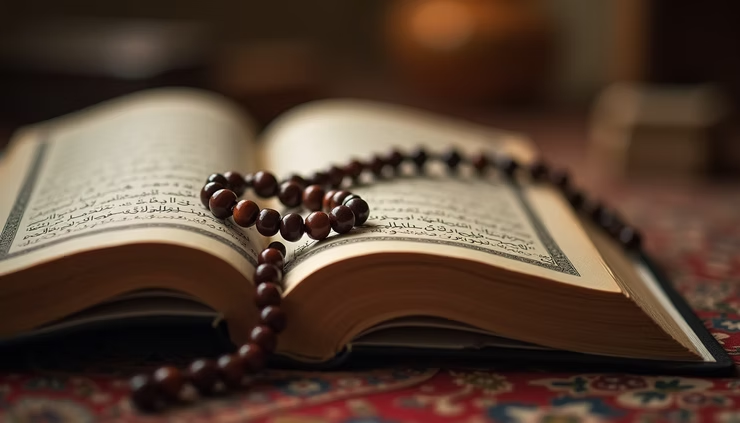
Patience (sabr) is a key virtue in Islam that helps control anger. The Qur’an repeatedly emphasizes patience as a way to earn Allah’s favor and avoid Satan’s traps:
“O you who have believed, seek help through patience and prayer. Indeed, Allah is with the patient.”
— Qur’an 2:153
Prayer (salah) serves as a profound practice that not only connects us with the divine but also plays a crucial role in centering our hearts and minds. In the hustle and bustle of daily life, it is all too easy to become overwhelmed by emotions, especially anger. When we turn to Allah in prayer, we engage in a sacred act that invites us to reflect on His boundless mercy and unwavering justice. This reflection acts as a soothing balm for our turbulent emotions, allowing us to regain composure and tranquility. The rhythmic movements and recitations of salah encourage a meditative state, fostering a sense of peace that can diminish the impulse to react angrily to situations that might otherwise provoke a heated response.
Moreover, the act of prayer serves as a reminder of our place in the universe and the importance of patience and understanding. Each time we bow and prostrate, we physically express our submission to Allah, reinforcing our commitment to uphold values of compassion and forgiveness. This physical manifestation of humility can help to realign our thoughts and feelings, steering us away from negativity and towards a more balanced perspective.
In moments of anger, it is beneficial to take a few deep breaths, as this simple yet effective technique can help ground us and bring clarity to our thoughts. Engaging in the practice of performing ablution (wudu) before prayer not only purifies the body but also refreshes the spirit. The ritual of cleansing serves as a symbolic act of washing away our frustrations and irritations, preparing us to approach our prayers with a clear and focused heart and mind. Following this, praying two rak’ahs can be particularly effective in resetting our emotional state. These two units of prayer allow us to reconnect with our inner selves and with Allah, facilitating a moment of introspection and reflection that can diffuse anger and restore inner peace.
These actions—taking deep breaths, performing wudu, and engaging in prayer—create a spiritual shield that protects us from the negative influences of Satan and jinn's, who often seek to exploit our emotional vulnerabilities. By consciously choosing to engage in these practices, we cultivate a protective barrier around our hearts, souls and minds, empowering us to resist temptations that lead us away from righteousness. This spiritual fortification not only aids in managing anger but also enhances our overall emotional resilience, enabling us to navigate life's challenges with grace and composure.
How to Protect Yourself from the Influence of Angry People

Since angry people can be influenced by Satan and his jinn's, it is wise to protect yourself from their negative impact. Here are some practical steps:
Limit contact: Avoid spending too much time with people who frequently display uncontrolled anger.
Set boundaries: Politely but firmly set limits on conversations or situations that trigger anger.
Make dua for protection: Regularly ask Allah to protect you from harmful influences and guide you to good company.
Surround yourself with positive influences: Seek friends and community members who embody patience, kindness, and faith.
Reflect on your own anger: Be mindful of your feelings and use the Qur’an’s guidance to manage your emotions.
In Conclusion
Anger is more than just an emotion in Islam; it is a spiritual test. The Qur’an clearly shows that uncontrolled anger can lead a person away from Allah and into the influence of Satan and his Jinns. By controlling anger, seeking refuge in Allah, and practicing patience and forgiveness, we protect ourselves and others from harm.



Comments